Background
Young people (16-25 years old) are often not involved in designing or producing the very research that is about them. In fact, public contributors who help inform and design research are often from older age groups. Even when young people are included it’s usually during the early stages of research instead of across the entire research pathway.
One of the reasons young people aren’t able to have a say is because they may not have an understanding of what involvement is and what it entails. They might also need resources and training on research methods to prepare them for getting involved in research studies. While NIHR ARC GM has previously created tools and materials around research methods, including a training course and research handbook, we wanted something that was more suitable for a younger audience.
And so ‘Bridge the Gap’ was created, by 8 young adults who formed a team called the Young Peoples’ Working Group (YPWG). ‘Bridge the Gap’ is an initiative to provide an understanding of involvement and research methods to young people through a podcast and accompanying tools. With short episodes that break down research terms and methods, the podcast is easily accessible for a busy young audience that may not have time to read a book or take a course. While it’s about sharing research knowledge, the YPWG also decided to focus on what they believe appeals to young people:
- Why young people should care about involvement and research
- How involvement is likely to impact young people
- What different involvement experiences and journeys can look like.
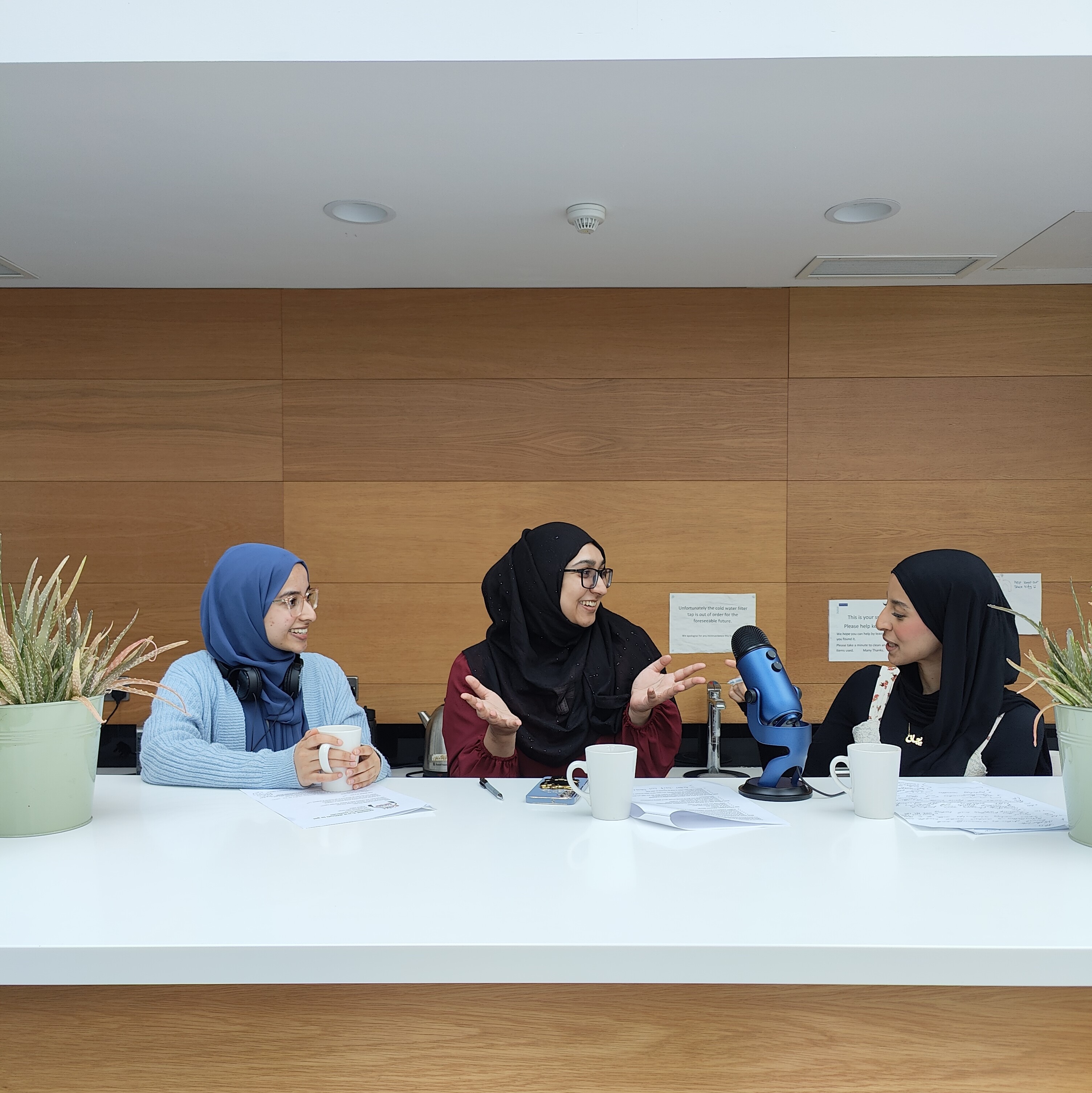
Episodes
- Bridge The Gap Episode 1: What is involvement and why should you do it?
In our first episode of 'Bridge The Gap', meet our hosts Ahmad, Alma, and Fatema as they explain why we're putting another podcast out into the world and why it's about involvement in research. They talk about what involvement is and why young people should want to get involved in research. #NIHRBridgeTheGap
The 'Bridge The Gap' podcast is funded by the NIHR ARC-GM and created by the Young Peoples' Working Group (YPWG) at the University of Manchester.
Script Writer: Georgia Naughton and Nadine Mirza
Hosts: Ahmad Yusuf, Alma Jbeili and Fatema Kharbotli
Producers: Ashgan Mahyoub and Nadine Mirza - Bridge The Gap Episode 2: What is jargon?
In this episode of 'Bridge The Gap', hosts Fatema and Sadia are joined by Nadine, our team's research associate, to represent researchers, and by Nabil and Abdulrahman Kharbotli, to represent the general public. Together they explain what jargon is, and play the jargon guessing game to showcase some examples of common jargon that can mean something else entirely to the public. #NIHRBridgeTheGap
The 'Bridge The Gap' podcast is funded by the NIHR ARC-GM and created by the Young Peoples' Working Group (YPWG) at the University of Manchester.
Guests: Abdul Rahman Kharbotli, Nabeel Kharbotli and Nadine Mirza
Script Writer: Fatema Kharbotli and Nadine Mirza
Hosts: Fatema Kharbotli and Sadia Mir
Producer: Nadine Mirza - Bridge The Gap Episode 3: How to understand and overcome jargon
In this episode of 'Bridge The Gap', hosts Fatema and Sadia return to discuss some of the jargon listeners can expect to hear on our podcast, how to deal with the fear or frustration of not knowing jargon, and how young people can help redfine or remove jargon when getting involved in research. #NIHRBridgeTheGap
The 'Bridge The Gap' podcast is funded by the NIHR ARC-GM and created by the Young Peoples' Working Group (YPWG) at the University of Manchester.
Script Writer: Fatema Kharbotli and Nadine Mirza
Host: Fatema Kharbotli and Sadia Mir
Producer: Nadine Mirza - Bridge The Gap Episode 4: What are the different types of involvement?
In this episode of 'Bridge The Gap', hosts Alma and Sadia sit with our guest, Stephanie Gillibrand, a research fellow at the University of Manchester. They discuss the different types of people we need to consider, the technical terms we hear when talking about involvement opportunities, and break down the bigs Cs: Consulting, Collaboration and Coproduction. #NIHRBridgeTheGap
The 'Bridge The Gap' podcast is funded by the NIHR ARC-GM and created by the Young Peoples' Working Group (YPWG) at the University of Manchester.
Guest: Stephanie Gillibrand
Script Writer: Nadine Mirza
Hosts: Alma Jbeili and Sadia Mir
Producers: Ashgan Mahyoub and Nadine Mirza - Bridge The Gap Episode 5: What is lived experience?
In this episode of 'Bridge The Gap', hosts Faiqa and Sadia are speaking with our guest, Andrew Grundy, a lived experience researcher at the University of Manchester. They explain what lived experience is in research and its immense value, the challenges that lived experience researchers may face, and the importance of self care when in the role. #NIHRBridgeTheGap
The 'Bridge The Gap' podcast is funded by the NIHR ARC-GM and created by the Young Peoples' Working Group (YPWG) at the University of Manchester.
Guest: Dr Andrew Grundy
Script Writer: Nadine Mirza
Hosts: Faiqa Mansoor and Sadia Mir
Producers: Ashgan Mahyoub and Nadine Mirza - Bridge The Gap Episode 6: What are research questions?
In this episode of 'Bridge The Gap', host duo Faiqa and Fatema are back again to talk about what research questions are, why a good research question is essential to starting a research study, and how young people can decide what questions researchers should ask and answer. #NIHRBridgeTheGap
The 'Bridge The Gap' podcast is funded by the NIHR ARC-GM and created by the Young Peoples' Working Group (YPWG) at the University of Manchester.
Script Writers: Fatema Kharbotli and Nadine Mirza
Hosts: Faiqa Mansoor and Fatema Kharbotli
Producers: Ashgan Mahyoub and Nadine Mirza - Bridge the Gap Episode 7: What are variables?
In this episode of ' Bridge The Gap' hosts Alma and Fatema return to explain what variables are in research, how we identify them from a hypothesis, and the differences between independent, dependent and confounding variables. #NIHRBridgeTheGap
The 'Bridge The Gap' podcast is funded by the NIHR ARC-GM and created by the Young Peoples' Working Group (YPWG) at the University of Manchester.
Script Writer: Georgia Naughton and Nadine Mirza
Hosts: Alma Jbeili and Fatema Kharbotli
Producers: Ashgan Mahyoub and Nadine Mirza - Bridge The Gap Episode 8: What is quantitative research and what are descriptive studies?
In this episode of 'Bridge The Gap' hosts Faiqa and Fatema are joined by Sarah Rhodes, a statistician and senior lecturer in biostatistics at the University of Manchester. They explain what quantitative research is and how it has two types of studies, and go into detail about the first type called descriptive research studies. They also discuss the three subtypes of descriptive research studies: Cross-sectional, Longitudinal, and Case-Control studies. #NIHRBridgeTheGap
The 'Bridge The Gap' podcast is funded by the NIHR ARC-GM and created by the Young Peoples' Working Group (YPWG) at the University of Manchester.
Guest: Sarah Rhodes
Script Writer: Ashgan Mahyoub and Nadine Mirza
Hosts: Faiqa Mansoor and Fatema Kharbotli
Producers: Ashgan Mahyoub and Nadine Mirza - Bridge The Gap Episode 9: What are experimental studies?
In this episode of 'Bridge The Gap' hosts Faiqa and Fatema are once again speaking to Sarah Rhodes, a statistician and senior lecturer in biostatistics at the University of Manchester. They discuss what experimental research studies are, what an intervention is, and the three subtypes of experimental research studies: Before-and-After, Controlled, and Randomised Controlled Trials (RCTs). #NIHRBridgeTheGap
The 'Bridge The Gap' podcast is funded by the NIHR ARC-GM and created by the Young Peoples' Working Group (YPWG) at the University of Manchester.
Guest: Sarah Rhodes
Script Writer: Ashgan Mahyoub and Nadine Mirza
Hosts: Faiqa Mansoor and Fatema Kharbotli
Producers: Ashgan Mahyoub and Nadine Mirza - Bridge The Gap Episode 10: What are RCTs?
In this episode of 'Bridge The Gap' hosts Faiqa and Fatema once again loop in Sarah Rhodes, a statistican and senior lecturer in biostatistics at the University of Manchester. They break down what an RCT (randomised controlled trial) is, what to consider when designing an RCT, and why sometimes we can't use an RCT. #NIHRBridgeTheGap
The 'Bridge The Gap' podcast is funded by the NIHR ARC-GM and created by the Young Peoples' Working Group (YPWG) at the University of Manchester.
Guest: Sarah Rhodes
Script Writer: Ashgan Mahyoub and Nadine Mirza
Hosts: Faiqa Mansoor and Fatema Kharbotli
Producers: Ashgan Mahyoub and Nadine Mirza - Bridge The Gap Episode 11: What is qualitative research?
In this episode of 'Bridge The Gap' host Fatema speaks with Claire Fraser, a research associate at the University of Manchester, and Georgia Naughton, a peer researcher with the McPin Foundation. They discuss what qualitative research is, how it focuses on attitudes, beliefs and experiences, and different types of methods such as interviews, focus groups, observations and case studies. #NIHRBridgeTheGap
The 'Bridge The Gap' podcast is funded by the NIHR ARC-GM and created by the Young Peoples' Working Group (YPWG) at the University of Manchester.
Guests: Claire Fraser and Georgia Naughton
Script Writer: Georgia Naughton and Nadine Mirza
Hosts: Fatema Kharbotli
Producers: Ashgan Mahyoub and Nadine Mirza - Bridge The Gap Episode 12: Why is qualitative research important and how to get involved in it?
In this episode of 'Bridge The Gap' host Fatema meets up again with Claire Fraser, a research associate at the University of Manchester, and Georgia Naughton, a peer researcher with the McPin Foundation. They get into why qualitative research is important, how it can be used to identify theories about and issues within a population and inform future research, and the role co-researchers can play in qualitative work. #NIHRBridgeTheGap
The 'Bridge The Gap' podcast is funded by the NIHR ARC-GM and created by the Young Peoples' Working Group (YPWG) at the University of Manchester.
Guests: Claire Fraser and Georgia Naughton
Script Writer: Georgia Naughton and Nadine Mirza
Hosts: Fatema Kharbotli
Producers: Ashgan Mahyoub and Nadine Mirza - Bridge The Gap Episode 13: What are samples and how do we select them?
In this episode of 'Bridge The Gap' hosts Ahmad and Alma team up to explain what a population and a sample are in research, how we can select samples using a process called sampling, and why samples differ depending on who, what, and how you're researching. #NIHRBridgeTheGap
The 'Bridge The Gap' podcast is funded by the NIHR ARC-GM and created by the Young Peoples' Working Group (YPWG) at the University of Manchester.
Script Writer: Alma Jbeili and Nadine Mirza
Hosts: Ahmad Yusuf and Alma Jbeili
Producers: Ashgan Mahyoub and Nadine Mirza - Bridge The Gap Episode 14: How do we recruit participants?
In this episode of 'Bridge The Gap' hosts Fatema and Sadia are joined by guest Neil Humphrey, an associate dean and a professor of the psychology of education at the University of Manchester. They get into what recruitment in research means, what we need to consider when recruiting young people, how to retain participants in a study once we've recruited them, and some best practice when trying to recruit overlook groups. #NIHRBridgeTheGap
The 'Bridge The Gap' podcast is funded by the NIHR ARC-GM and created by the Young Peoples' Working Group (YPWG) at the University of Manchester.
Guest: Neil Humphrey
Script Writer: Georgia Naughton and Nadine Mirza
Hosts: Fatema Kharbotli and Sadia Mir
Producers: Ashgan Mahyoub and Nadine Mirza - Bridge The Gap Episode 15: What are descriptive statistics?
In this episode of 'Bridge The Gap' hosts Faiqa and Fatema reunite with Sarah Rhodes, a statistician and senior lecturer in biostatistics at the University of Manchester. They have a chat about what the two different types of statistics are, and go into detail about one type called descriptive statistics. They break down how descriptive statistics tell us about groups of people, the different kinds of descriptive statistics such as measures of central tendency, percentages and standard deviation, what correlation is, and how you don't need to do the math to be able to do statistics. #NIHRBridgeTheGap
The 'Bridge The Gap' podcast is funded by the NIHR ARC-GM and created by the Young Peoples' Working Group (YPWG) at the University of Manchester.
Guest: Sarah Rhodes
Script Writer: Ashgan Mahyoub and Nadine Mirza
Hosts: Faiqa Mansoor and Fatema Kharbotli
Producers: Ashgan Mahyoub and Nadine Mirza - Bridge The Gap Episode 16: What are inferential statistics?
In this episode of 'Bridge The Gap' hosts Faiqa and Fatema meet up with Sarah Rhodes, a statistican and senior lecturer in biostatistics at the University of Manchester, one last time. They cover how inferential statistics are used to determine cause and effect, what a null hypothesis is, what significance means in statistics, the different kinds of inferential statistics such as significance levels, confidence intervals, effect sizes, and power, and Type I and Type II Errors. #NIHRBridgeTheGap
The 'Bridge The Gap' podcast is funded by the NIHR ARC-GM and created by the Young Peoples' Working Group (YPWG) at the University of Manchester.
Guest: Sarah Rhodes
Script Writer: Ashgan Mahyoub and Nadine Mirza
Hosts: Faiqa Mansoor and Fatema Kharbotli
Producers: Ashgan Mahyoub and Nadine Mirza - Bridge The Gap Episode 17: What is bias in research?
In this episode of 'Bridge The Gap' hosts Faiqa and Sadia pair up to explain what bias means in research and how it can influence research and its findings, the different sources of bias, and some of the different types of bias such as researcher bias, actor-observer bias, sampling bias, and measurement bias, and publication bias. #NIHRBridgeTheGap
The 'Bridge The Gap' podcast is funded by the NIHR ARC-GM and created by the Young Peoples' Working Group (YPWG) at the University of Manchester.
Script Writer: Fatema Kharbotli and Nadine Mirza
Hosts: Faiqa Mansoor and Sadia Mir
Producers: Ashgan Mahyoub and Nadine Mirza - Bridge The Gap Episode 18: How do we minimise bias in research?
In this episode of 'Bridge The Gap' hosts Faiqa and Sadia return to play a game of 'Spot The Bias', and talk about the different ways to detect and reduce bias at different stages of research, concepts such as blinding and allocation concealment, and issues that arise if research bias is not addressed. #NIHRBridgeTheGap
The 'Bridge The Gap' podcast is funded by the NIHR ARC-GM and created by the Young Peoples' Working Group (YPWG) at the University of Manchester.
Script Writer: Fatema Kharbotli and Nadine Mirza
Hosts: Faiqa Mansoor and Sadia Mir
Producers: Ashgan Mahyoub and Nadine Mirza - Bridge The Gap Episode 19: What are validity and reliability?
In this episode of 'Bridge The Gap' hosts Alma and Faiqa discuss what validity is and what reliability is in the context of research, which is more important, different types of validity such as temporal validity and ecological validity, and different types of reliability such as test-retest reliability and interrater reliability. #NIHRBridgeTheGap
The 'Bridge The Gap' podcast is funded by the NIHR ARC-GM and created by the Young Peoples' Working Group (YPWG) at the University of Manchester.
Script Writer: Faiqa Mansoor and Nadine Mirza
Hosts: Alma Jbeili and Faiqa Mansoor
Producers: Ashgan Mahyoub and Nadine Mirza - Bridge The Gap Episode 20: What is replication and how can we make studies valid and reliable?
In this episode of 'Bridge The Gap' hosts Alma and Faiqa team up once again to talk about some strategies to make research studies more valid and reliable, how this is related to bias, what replication is and why it matters, and why valid and reliable studies are important. #NIHRBridgeTheGap
The 'Bridge The Gap' podcast is funded by the NIHR ARC-GM and created by the Young Peoples' Working Group (YPWG) at the University of Manchester.
Script Writer: Faiqa Mansoor and Nadine Mirza
Hosts: Alma Jbeili and Faiqa Mansoor
Producers: Ashgan Mahyoub and Nadine Mirza - Bridge The Gap Episode 21: What is psychometrics?
In this episode of 'Bridge The Gap' hosts Ahmad and Sadia are joined by Patrick Callaghan, a professor of mental health science at London Southbank University. Together they discuss what the term psychometrics means, what psychometric tools are, which are commonly used in research and who can use them, and the role validity and reliability play in psychometrics. They also talk about something called Patient Reported Outcome Measures (PROMs) and why they matter. #NIHRBridgeTheGap
The 'Bridge The Gap' podcast is funded by the NIHR ARC-GM and created by the Young Peoples' Working Group (YPWG) at the University of Manchester.
Guest: Patrick Callaghan
Script Writer: Faiqa Mansoor and Nadine Mirza
Hosts: Ahmad Yusuf and Sadia Mir
Producers: Ashgan Mahyoub and Nadine Mirza - Bridge The Gap Episode 22: What do we need to think about when developing psychometric tools?
In this episode of 'Bridge The Gap' hosts Ahmad and Sadia once again speak to Patrick Callaghan, a professor of mental health science at London Southbank University. This time they explore what errors are and the role they play in psychometrics, the different types of errors, and what to consider when designing psychometric tools and their scoring systems, such anchors and cut off scores. #NIHRBridgeTheGap
The 'Bridge The Gap' podcast is funded by the NIHR ARC-GM and created by the Young Peoples' Working Group (YPWG) at the University of Manchester.
Guest: Patrick Callaghan
Script Writer: Faiqa Mansoor and Nadine Mirza
Hosts: Ahmad Yusuf and Sadia Mir
Producers: Ashgan Mahyoub and Nadine Mirza - Bridge The Gap Episode 23: What is critical analysis?
In this episode of 'Bridge The Gap' host Sadia speaks with Helen Brooks, a professor of health and psychosocial wellbeing at the University of Manchester, and Emily Vicary, a PhD student being supervised by Helen. Together they discuss what the term critical analysis really means, the role of trustworthiness in critical analysis, and what critical appraisal means and how to conduct it. #NIHRBridgeTheGap
The 'Bridge The Gap' podcast is funded by the NIHR ARC-GM and created by the Young Peoples' Working Group (YPWG) at the University of Manchester.
Guests: Helen Brooks and Emily Vicary
Script Writer: Faiqa Mansoor and Nadine Mirza
Hosts: Sadia Mir Producers: Ashgan Mahyoub and Nadine Mirza - Bridge The Gap Episode 24: Why is critical analysis important?
In this episode of 'Bridge The Gap' host Sadia once again meets with Helen Brooks, a professor of health and psychosocial wellbeing at the University of Manchester, and Emily Vicary, a PhD student being supervised by Helen. This time they explore their top tips and strategies for conducting critical analysis and reporting it for your own and other's research, and how young people can get invovled in critical analysis and appraisal. #NIHRBridgeTheGap
The 'Bridge The Gap' podcast is funded by the NIHR ARC-GM and created by the Young Peoples' Working Group (YPWG) at the University of Manchester.
Guests: Helen Brooks and Emily Vicary
Script Writer: Faiqa Mansoor and Nadine Mirza
Hosts: Sadia Mir
Producers: Ashgan Mahyoub and Nadine Mirza - Bridge The Gap Episode 25: What is dissemination?
In this episode of 'Bridge The Gap' host Sadia sits with Zoe Trinder-Widdess, head of communications with the NIHR ARC West, and Gavin Hubbard, head of communications with NIHR ARC Oxford and Thames Valley. Together they talk about what the term dissemination means, the different ways to share research findings to the public, and what to consider when disseminating research and making findings accessible. #NIHRBridgeTheGap
The 'Bridge The Gap' podcast is funded by the NIHR ARC-GM and created by the Young Peoples' Working Group (YPWG) at the University of Manchester.
Guests: Zoe Trinder-Widdess and Gavin Hubbard
Script Writer: Sadia Mir and Nadine Mirza
Hosts: Sadia Mir
Producers: Ashgan Mahyoub and Nadine Mirza - Bridge The Gap Episode 26: Is dissemination challenging?
In this episode of 'Bridge The Gap' host Sadia once again joins Zoe Trinder-Widdess, head of communications with the NIHR ARC West, and Gavin Hubbard, head of communications with NIHR ARC Oxford and Thames Valley. They explore some of the challenges that occur when sharing research findings with different audiences and deciding who to share findings with first, and how young people can get involved in dissemination. #NIHRBridgeTheGap
The 'Bridge The Gap' podcast is funded by the NIHR ARC-GM and created by the Young Peoples' Working Group (YPWG) at the University of Manchester.
Guests: Zoe Trinder-Widdess and Gavin Hubbard
Script Writer: Sadia Mir and Nadine Mirza
Hosts: Sadia Mir
Producers: Ashgan Mahyoub and Nadine Mirza - Bridge The Gap Episode 27: What is impact?
In this episode of 'Bridge The Gap' host Sadia talks with Jo Dumville, professor of applied research at the University of Manchester, and Paul Wilson, an implementation science lead at the University of Manchester. In this episode they discuss what happens after research is finished and the findings are shared with the public, what impact and diffusion are in the context of research and how they differ from dissemination, and what knowledge mobilisation is. #NIHRBridgeTheGap
The 'Bridge The Gap' podcast is funded by the NIHR ARC-GM and created by the Young Peoples' Working Group (YPWG) at the University of Manchester.
Guests: Jo Dumville and Paul Wilson
Script Writer: Nadine Mirza
Hosts: Sadia Mir
Producers: Ashgan Mahyoub and Nadine Mirza - Bridge The Gap Episode 28: Why is impact important?
In this episode of 'Bridge The Gap' host Sadia is joined again by Jo Dumville, professor of applied research at the University of Manchester, and Paul Wilson, an implementation science lead at the University of Manchester. Together they explore why young people should care about the impact of research, how they can get involved in improving the impact of research, and what some of these roles might look like. #NIHRBridgeTheGap
The 'Bridge The Gap' podcast is funded by the NIHR ARC-GM and created by the Young Peoples' Working Group (YPWG) at the University of Manchester.
Guests: Jo Dumville and Paul Wilson
Script Writer: Nadine Mirza
Hosts: Sadia Mir
Producers: Ashgan Mahyoub and Nadine Mirza


The Young People's Working Group (YPWG)
The YPWG was established in 2022 and is made up of a group of young adults (18-25 years old) who have been previously involved in contributing to health research.
They were recruited from existing research advisory groups and external organisations for young people (eg. McPin Foundation).
The YPWG worked alongside a research associate and research assistant to create resources to inform young people about involvement and research methods.
YPWG's contribution
This talented group of young people contributed by:
-
Taking part in 10 workshops to determine the format and content of the resources, in which they decided on a podcast, its structure, and any supplementary tools. They also developed skills they requested to create a podcast, including script writing, interviewing techniques, and recording and editing with podcasting software.
- Taking part in 10 workshops that trained them on involvement and research methods, and allowed them to brainstorm plans for each episode, including task allocation, condensing the information they’ve learnt, and ensuring the language is accessible.
- Keeping research diaries throughout the duration of the project to record their ideas and to document their experiences of being involved in the co-design process.
- Script writing, hosting, recording and editing all ‘Bridge the Gap’ episodes, writing up glossary definitions, quiz questions and summaries, compiling references, and creating social media content for each episode.
Through stages of the the project, the YPWG was also supported with insight and advice from the Young Peoples’ Advisory Group.
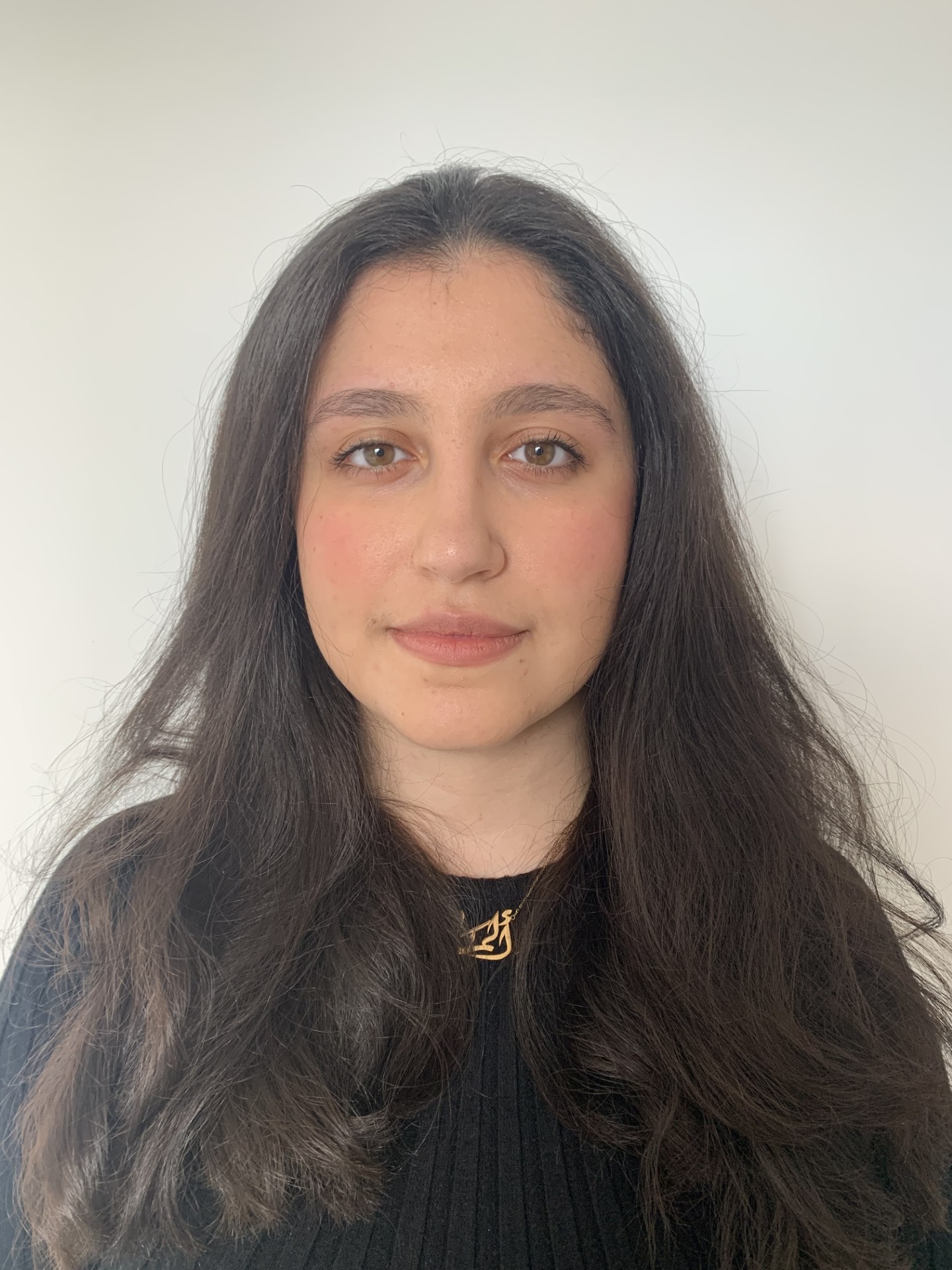
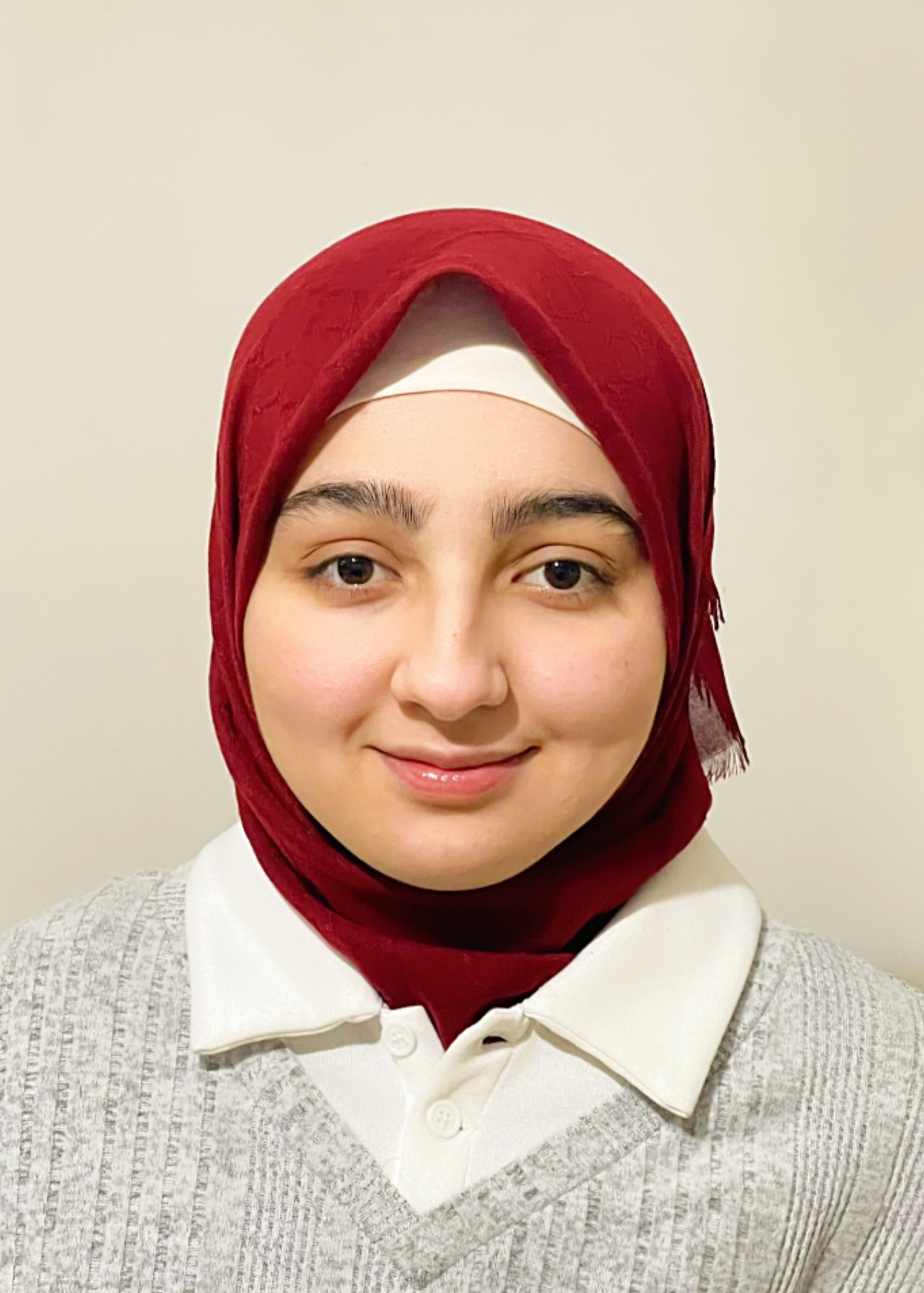
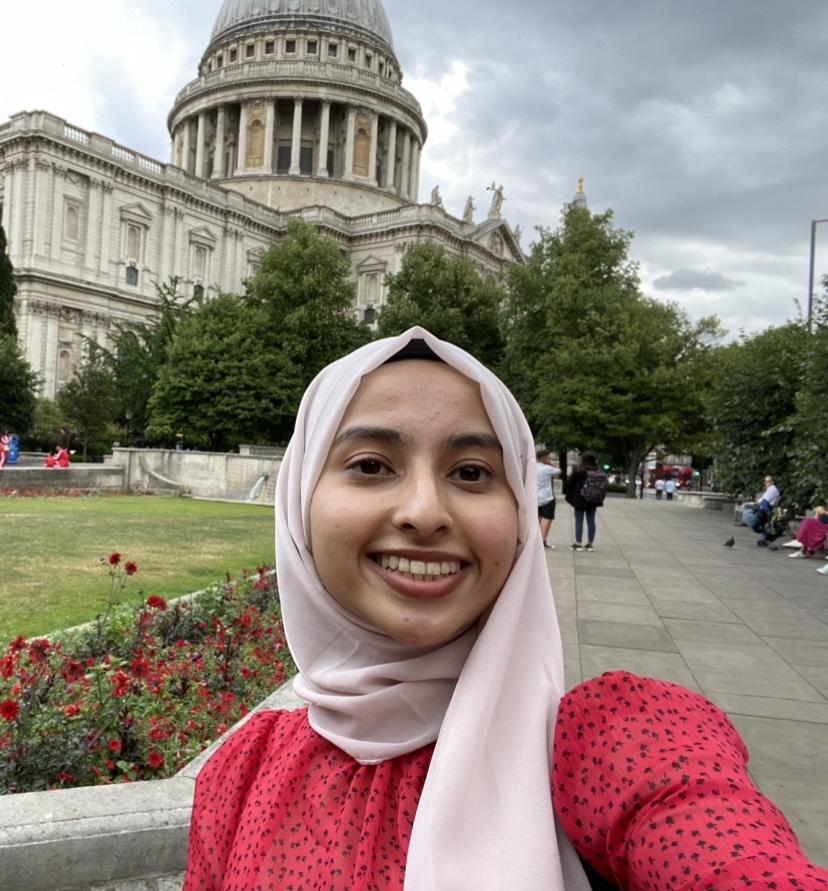 My name is Faiqa and I’m a final year Pharmacy student at the University of Manchester. A fun fact about me is that I have lived in 5 different cities but Manchester tops the list!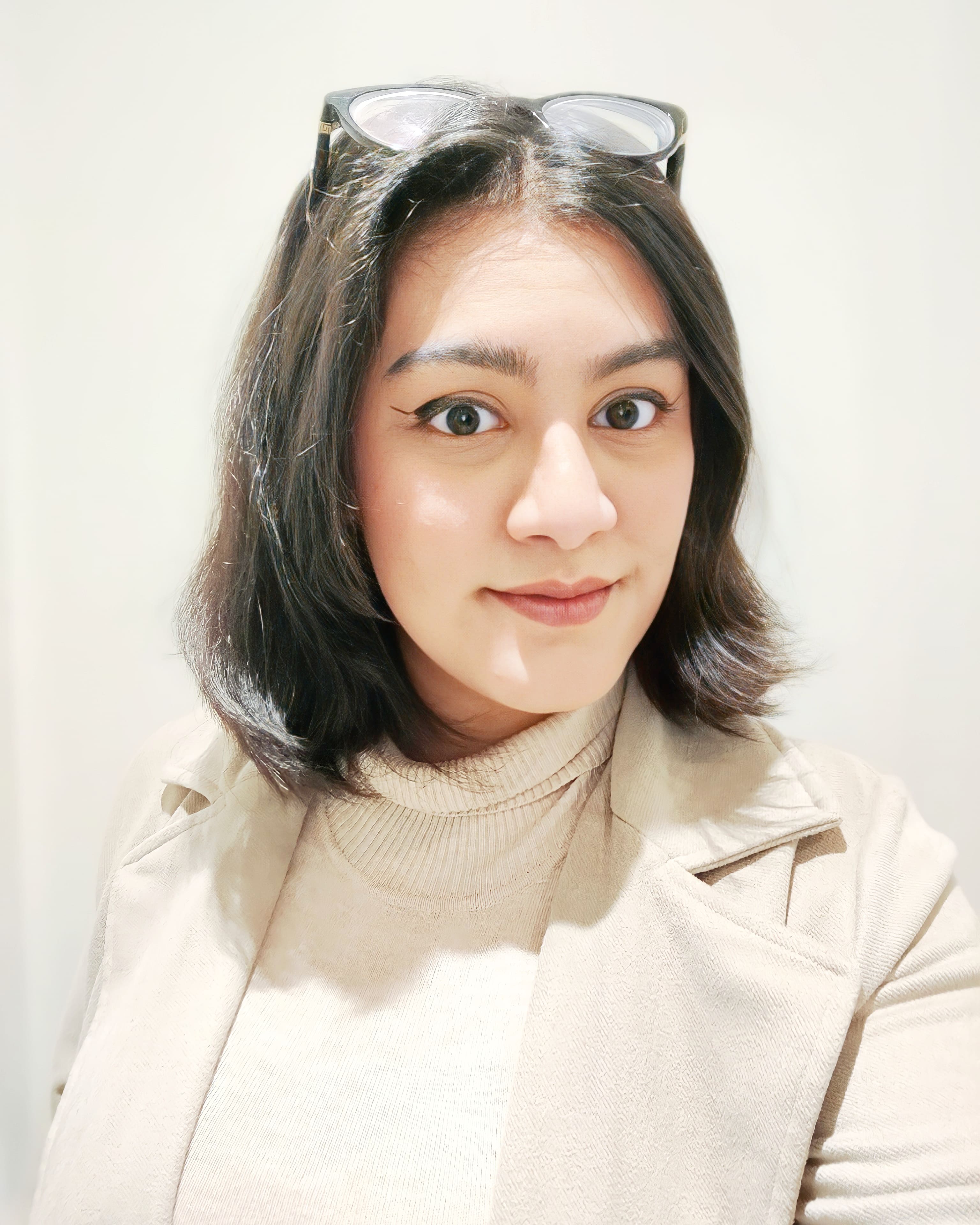
 I work as a peer researcher at the McPin Foundation, which is a mental health research charity. I first heard about involvement work whilst studying for my master's in psychology at the University of Manchester, where I heard about a new study called the Blueprint project.